If you're planning a trip and browsing Scottish Highlands tours, you've probably asked yourself: what actually counts as the Highlands in Scotland? Is it just "the north"? Only the mountains? Anywhere with lochs and glens?
The honest answer: it depends on who you ask. Geologists, map-makers, historians, and locals all draw the line slightly differently.
In this guide, I'll walk you through it in a clear, friendly way — like a local guide would — so you'll understand what people really mean when they say the Highlands, and what you can expect to see when you visit.
The Simple Travel Answer First
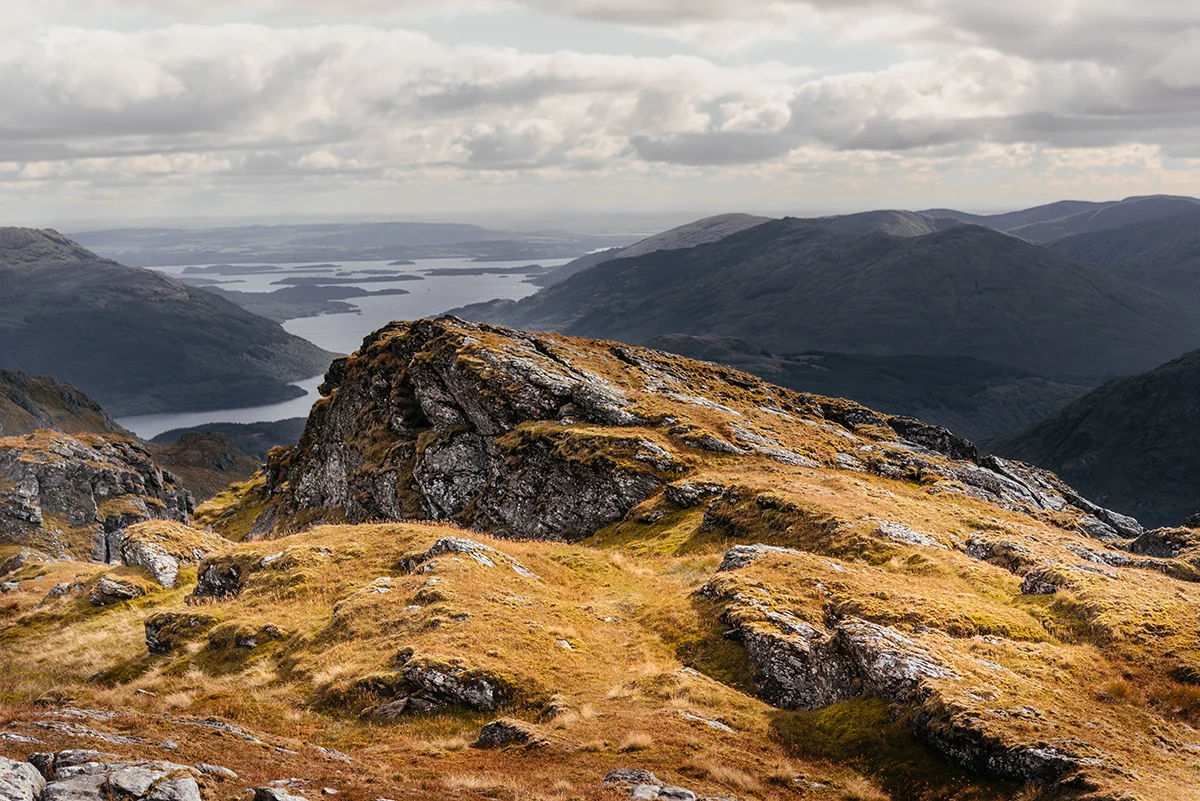
For most visitors, the Scottish Highlands means the large, rugged, scenic region north and west of the central belt of Scotland — the land of:
- Big mountains
- Deep glens
- Long sea lochs
- Remote villages
- Dramatic skies
- Legendary landscapes
In travel terms, if your tour includes places like Glencoe, Loch Ness, Fort William, Skye, or the far northwest coast — you are absolutely in the Highlands.
But let's go a bit deeper — because the real definition is actually quite fascinating.
Other Experiences You Might Enjoy
Building a longer trip around Loch Ness? Add a day in Glencoe, a detour to Eilean Donan Castle on the way to the Isle of Skye, or a stop at the Glenfinnan Viaduct and a ride on the Jacobite steam train. Day-trippers based in Edinburgh or Glasgow can fold in Loch Lomond along the way. The suggestions below are matched automatically to these Scottish Highlands destinations and experiences.
The Geological Line: Where the Highlands Truly Begin
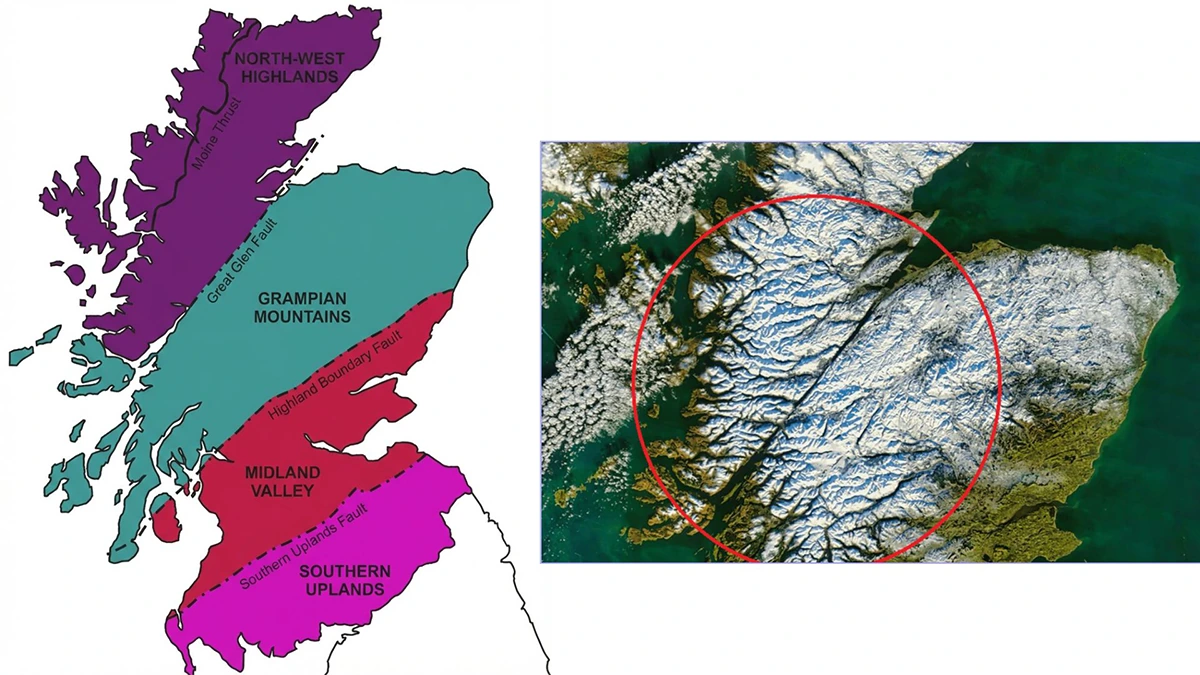
The most precise "hard" boundary of the Highlands is geological. It's called the Highland Boundary Fault — a natural fracture line in the Earth's crust that cuts across Scotland from northeast to southwest.
North of this line: older, harder metamorphic rock → mountains and rugged terrain
South of this line: softer sedimentary rock → rolling farmland and plains
You can literally cross from Lowlands to Highlands within a short walk in some places.
One of the best-known visible crossing points is near Loch Lomond, around Balmaha and Conic Hill, where the landscape suddenly changes character.
In short: geologists define the Highlands by rock and terrain, not by culture or council borders.
The Administrative Highlands: What the Map Says Today
Modern government maps define a specific region called the Highland Council Area, administered from Inverness.
This area includes:
- Inverness and surrounding regions
- Caithness and Sutherland
- Wester Ross
- Lochaber
- Isle of Skye
- Badenoch and Strathspey
But here's the twist:
Not all places people consider "the Highlands" are inside Highland Council, and not everything inside the council area feels equally Highland.
You may also hear the term "Highlands and Islands", which is used for economic and development regions and includes island groups that are culturally connected to the Highlands.
For travelers, this distinction matters less, but it explains why maps sometimes disagree.
The Scenic Heart of the Highlands
When Highlands tours are designed, they almost always focus on the most visually dramatic core areas.
Glencoe & Lochaber
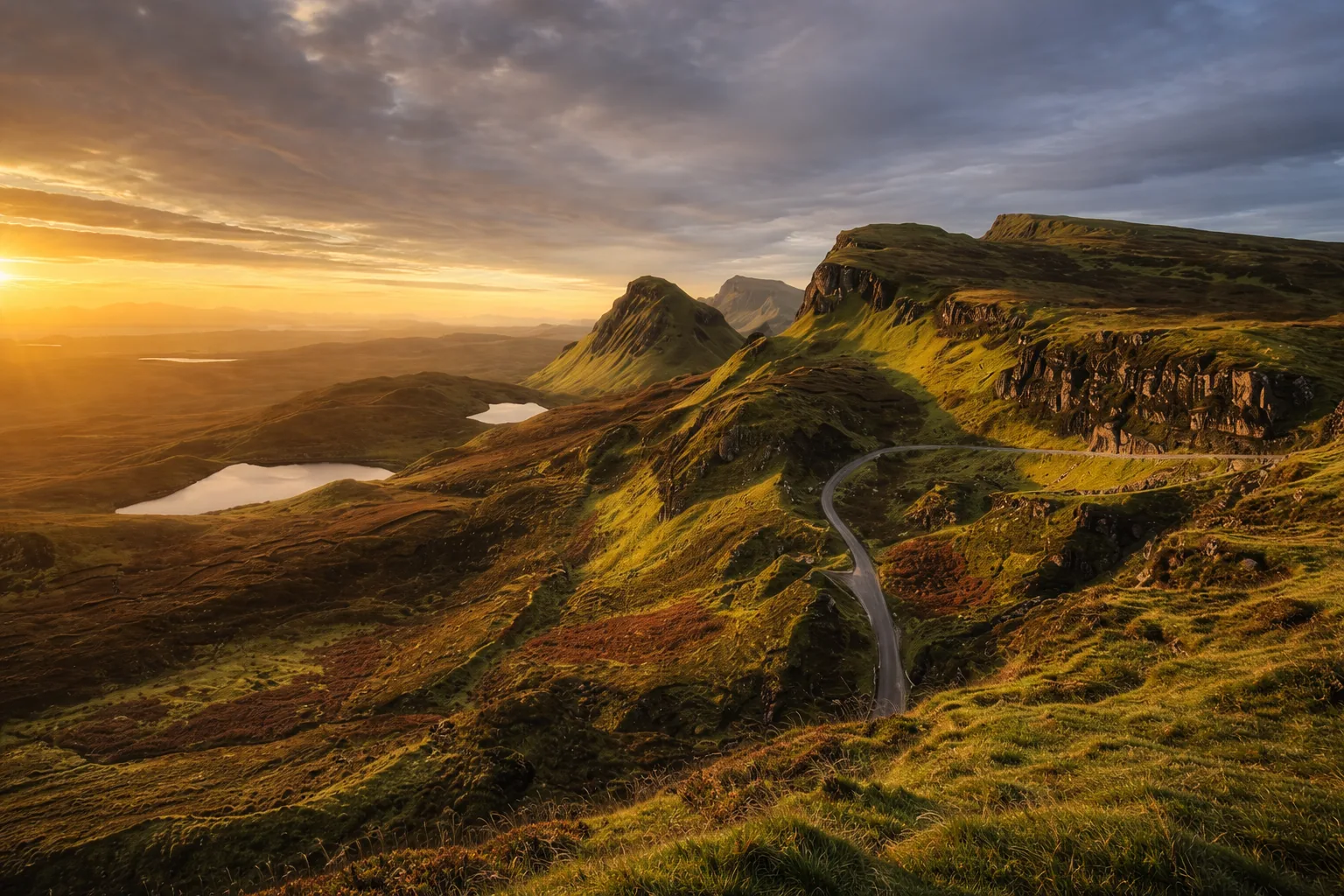
This is classic Highlands scenery:
- Steep mountain walls
- Volcanic geology
- Waterfalls and winding roads
- Wild, open space
Around here you'll also find Fort William and the UK's highest peak, Ben Nevis — another Highlands icon.
Loch Ness & the Great Glen
The Great Glen is a massive natural geological corridor cutting across the Highlands. It includes:
- Loch Ness
- Inverness — often called the capital of the Highlands
- A chain of lochs and fault-line valleys
Many one-day and multi-day Highlands tours run right through this natural route.
Isle of Skye & the West Highlands
The west is where the Highlands become even more rugged and coastal:
- Sea cliffs
- Jagged rock formations
- Island landscapes
- Gaelic heritage
Isle of Skye is firmly considered part of the Highlands culturally and geographically, even though it's an island.
The Cultural Highlands: The Gaelic World
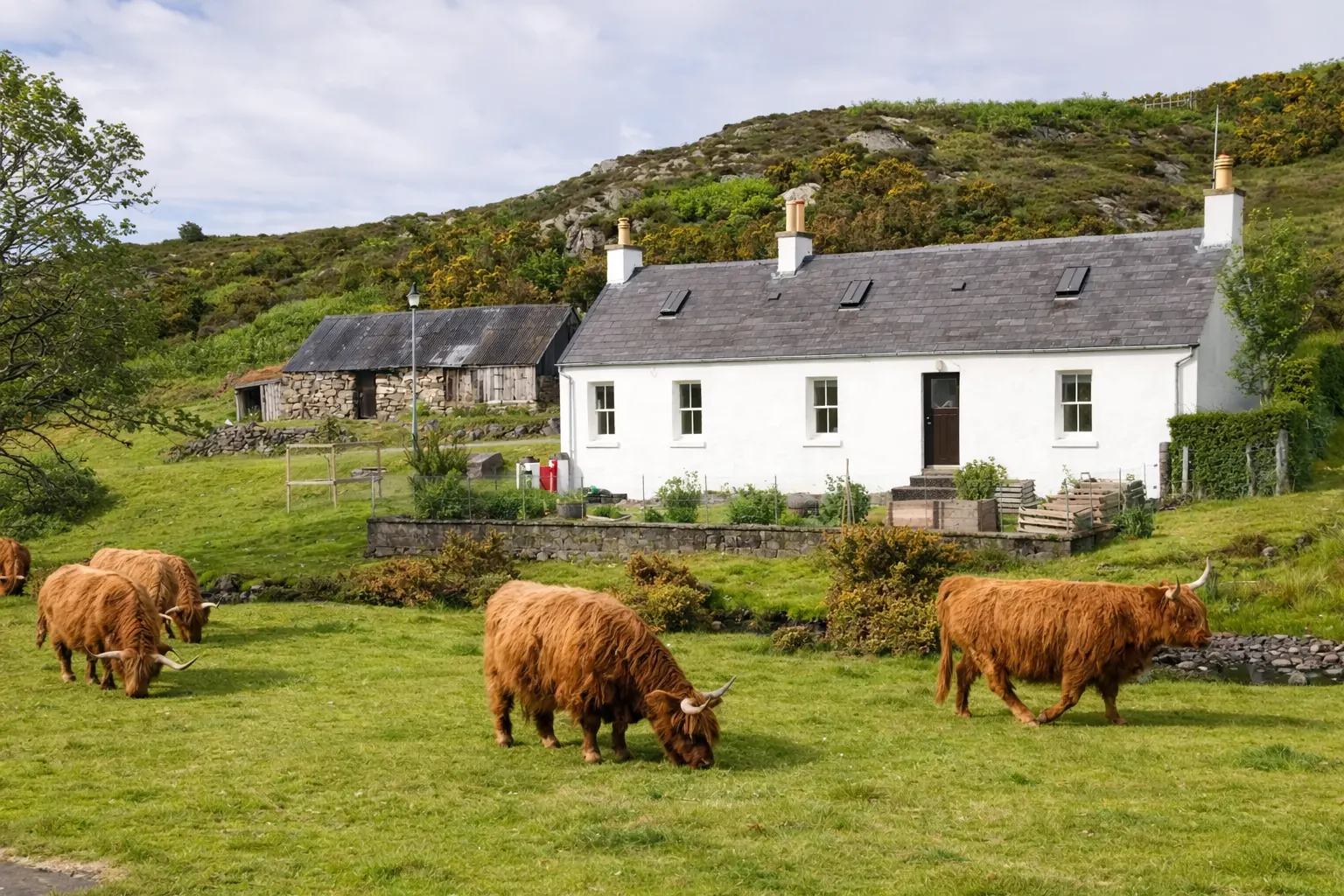
Historically, the Highlands were also defined by language and culture. This was the heartland of:
- Scottish Gaelic language
- Clan society
- Crofting communities
- Distinct dress and music traditions
For centuries, there was a real cultural divide between Highland and Lowland Scotland — not just scenery but lifestyle, law, and identity.
You may still see this cultural layer today in:
- Gaelic place names
- Clan history sites
- Crofting landscapes
- Traditional music and storytelling
Whisky Highlands vs Geographic Highlands
Another definition appears in the whisky world.
The Highland whisky region is one of Scotland's official whisky regions, but it does not perfectly match the geographic Highlands.
Even more confusing: Speyside sits geographically inside the Highlands but is classified as its own whisky region.
Fun fact for tour planning: many Highlands tours include distillery stops, but the whisky map and the landscape map do not line up.
So What Counts as the Highlands for Visitors?
For practical travel purposes, you can safely consider these as "the Highlands":
- ✓ North and west of the Highland Boundary Fault
- ✓ Mountainous and glen-filled regions beyond the central belt
- ✓ Areas around Glencoe, Fort William, Loch Ness, Skye, Wester Ross, Torridon, Assynt
- ✓ Regions with classic rugged Highland scenery
- ✓ Places commonly included in Scottish Highlands tours
You don't need to worry about fault lines or council borders when booking a tour — if the landscapes look wild and dramatic, you're in the right place.
Final Thought: The Highlands Are More Than a Line on a Map
The Highlands aren't just a boundary — they're a landscape character.
They're defined by:
- Terrain
- History
- Culture
- Remoteness
- Atmosphere
It's the feeling of space, weather, rock, and story combined.
And once you've stood in a Highland glen with wind in your face and mountains around you — the definition becomes very clear, very quickly.