Imagine a place where the rules of hospitality were sacred — where offering a stranger shelter and food wasn't just polite, it was a matter of life and death. In the harsh Scottish Highlands of the 1600s, these weren't just nice traditions. They were survival itself.
When you welcomed someone into your home, you were giving them your protection. And breaking that trust? That was considered one of the most evil things a person could do. So evil, in fact, that when the government deliberately violated this sacred bond in 1692, Scotland never forgot.
This is the story of the Glencoe Massacre — a betrayal so shocking it's still talked about over 300 years later, and even inspired the infamous "Red Wedding" scene that horrified Game of Thrones viewers around the world.
When Fiction Borrows from Horrifying Reality
If you've seen Game of Thrones, you might remember the "Red Wedding" — that gut-wrenching scene where guests are massacred at what was supposed to be a celebration. Author George R.R. Martin didn't just make that up. He took inspiration from real Scottish history, including the Glencoe Massacre.
Here's what makes both events so disturbing: it wasn't strangers attacking strangers. It was guests turning on their hosts — people who had literally shared meals together, slept under the same roof, and trusted each other. In Highland culture, that kind of betrayal had a specific name: "murder under trust."
Sometimes the darkest moments in fiction pale in comparison to what actually happened in history.
Other Experiences You Might Enjoy
Building a longer trip around Loch Ness? Add a day in Glencoe, a detour to Eilean Donan Castle on the way to the Isle of Skye, or a stop at the Glenfinnan Viaduct and a ride on the Jacobite steam train. Day-trippers based in Edinburgh or Glasgow can fold in Loch Lomond along the way. The suggestions below are matched automatically to these Scottish Highlands destinations and experiences.
Living Together, Plotting Murder
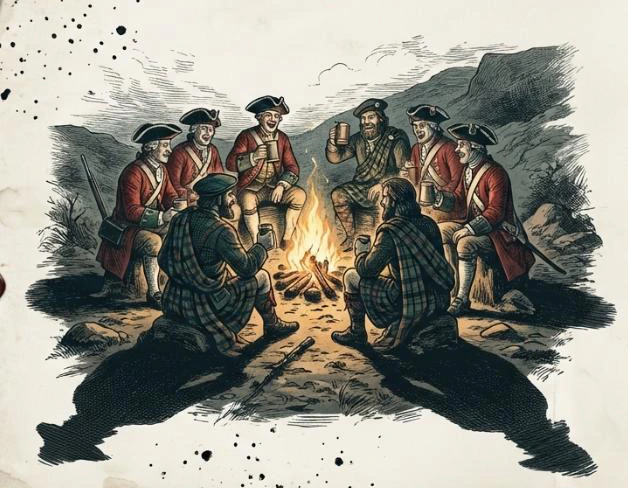
Picture this: for nearly two weeks, about 120 government soldiers lived peacefully in the homes of the MacDonald clan in Glencoe. They ate together. They drank together. Captain Robert Campbell even spent his evenings playing card games with the chief's sons. Everything seemed normal.
But behind the scenes, these same soldiers had received written orders to do the unthinkable. At dawn, they were to "put all to the sword under seventy", meaning everyone younger than 70 years old was to be killed. The elderly were to be spared only because they'd die in the harsh winter anyway.
This wasn't just murder. Under Scottish law, it was something worse: "Slaughter Under Trust." The crime was considered more serious than regular murder precisely because the killers had accepted hospitality first. They'd broken the most sacred rule of Highland society. Three years later, in 1695, a government commission officially investigated the massacre and reached the same damning conclusion. This was indeed "slaughter under trust," a betrayal of the most fundamental Highland code.
A Deadly Game of Paperwork
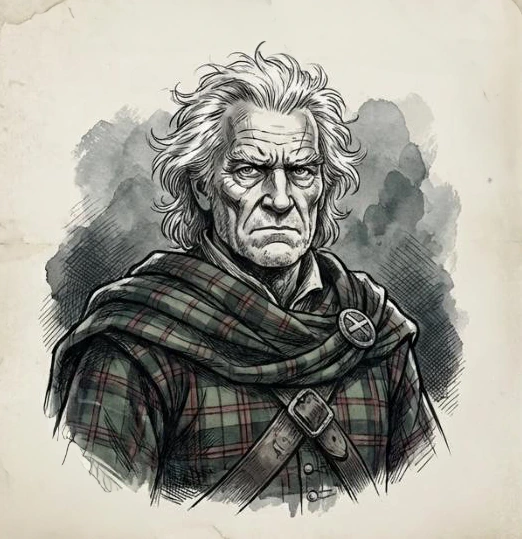
Here's where the story gets even more twisted. The MacDonalds weren't rebels plotting against the government. Their chief, Alasdair MacIain, actually tried to do exactly what the government asked.
The King demanded all clan chiefs swear loyalty by January 1st, 1692. MacIain set out to do just that, but he ran into problem after problem. First, he went to the wrong place — Fort William — where officials couldn't accept his oath. Then he had to trek through a winter blizzard to reach the right magistrate in Inveraray. He finally swore the oath on January 6th, just six days late.
You'd think that would be the end of it. But a powerful government official named Lord Stair did something truly villainous: he hid the paperwork. He wanted the MacDonalds to technically be "late" so he could legally have them wiped out. In his own words, he wanted to "root out that damnable sept."
It wasn't about rebellion. It was about using a technicality as an excuse for mass murder.
The Soldier Who Couldn't Stay Silent
Not everyone was comfortable with the plan. Local legend tells of a soldier who faced an impossible choice: follow his orders or warn the people who had welcomed him into their homes.
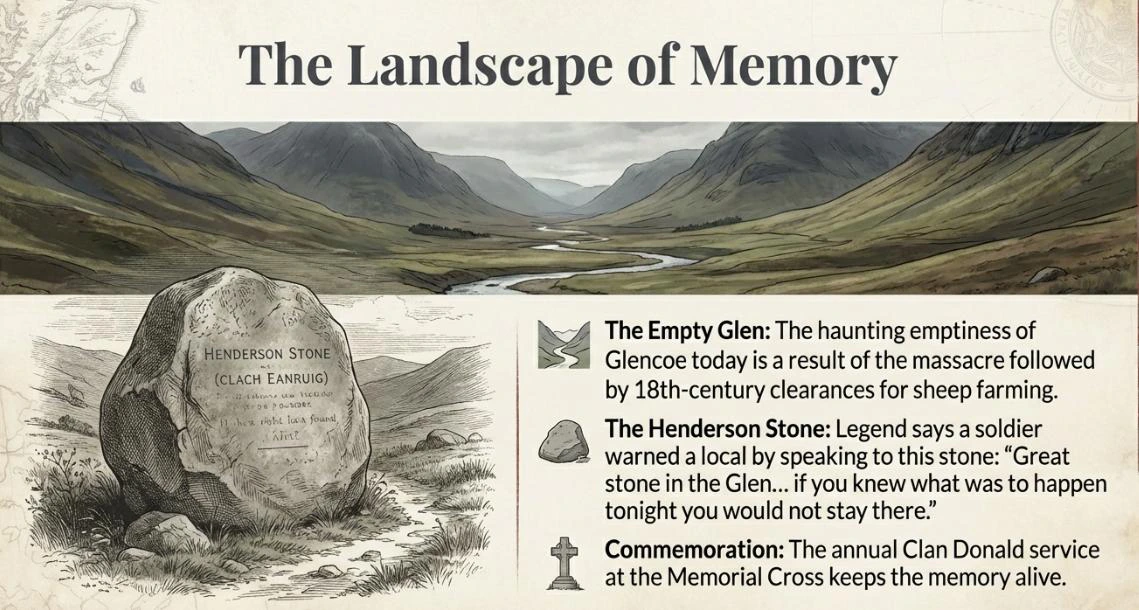
His solution was brilliant and heartbreaking. Near a large boulder known as the Henderson Stone, he spoke his warning aloud, but he addressed the stone itself, not the MacDonald standing nearby:
"Great stone in the Glen, though you have every right to be there, if you knew what was to happen tonight you would not stay there on any account."
Some MacDonalds understood the cryptic warning and escaped. But many didn't. At 5:00 AM on February 13th, the slaughter began. The clan chief was shot in his own bed. His wife was stripped and had her rings torn from her fingers with soldiers' teeth. She died the next day from the trauma.
What Archaeology Reveals About the Final Night
For centuries, the Glencoe story was passed down through written records and oral tradition. But since 2019, archaeologists have been uncovering physical evidence that makes the story even more real and heartbreaking.
At a settlement called Achnacon, they found something unexpected under the floor of an old turf house: a hoard of bronze coins from the 1600s. These weren't someone's savings. They were likely the stakes from gambling games played that very night.
Imagine it: soldiers and clansmen sitting together, drinking, gambling, laughing, all while some of those soldiers knew what dawn would bring. Researchers also found decorated knife handles, broken tobacco pipes, and fragments of fancy imported pottery from Germany and France. These small objects tell us about the final moments of ordinary people who had no idea their hospitality was about to be repaid with violence.
The archaeological evidence at Achnacon also helps researchers piece together what happened during the chaos of that dawn. The pattern of artifacts suggests this area was crossed by fleeing survivors — quite possibly including MacIain's sons, who managed to escape through the settlement. After the massacre, the clan eventually returned and rebuilt at places like Achtriochtan, proving that even horrific violence couldn't completely erase their connection to the land.
How One Massacre Changed a Nation
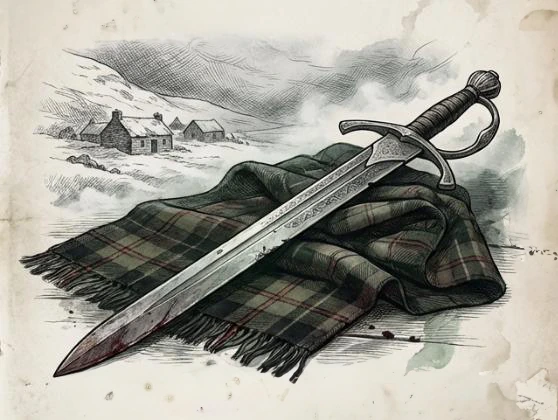
The story doesn't end with the massacre. In fact, the Glencoe tragedy set off a chain of events that eventually led to Scotland losing its independence.
Many survivors, along with some of the soldiers who'd carried out the massacre, later joined something called the Darien Scheme, a disastrous attempt to establish a Scottish colony in Panama. When it failed spectacularly, Scotland lost nearly half of all its available money. The nation was bankrupted.
Enter England with a "solution": the English government offered a payment called the "Equivalent" to help settle debts. But there was a catch — Scotland would have to agree to the 1707 Act of Union, merging with England and dissolving its own parliament.
Many Scots at the time saw it for exactly what it was: a bribe. The cruel irony? A massacre meant to "tame" the rebellious Highlands ended up contributing to the economic collapse that cost Scotland its sovereignty.
Why We Still Remember
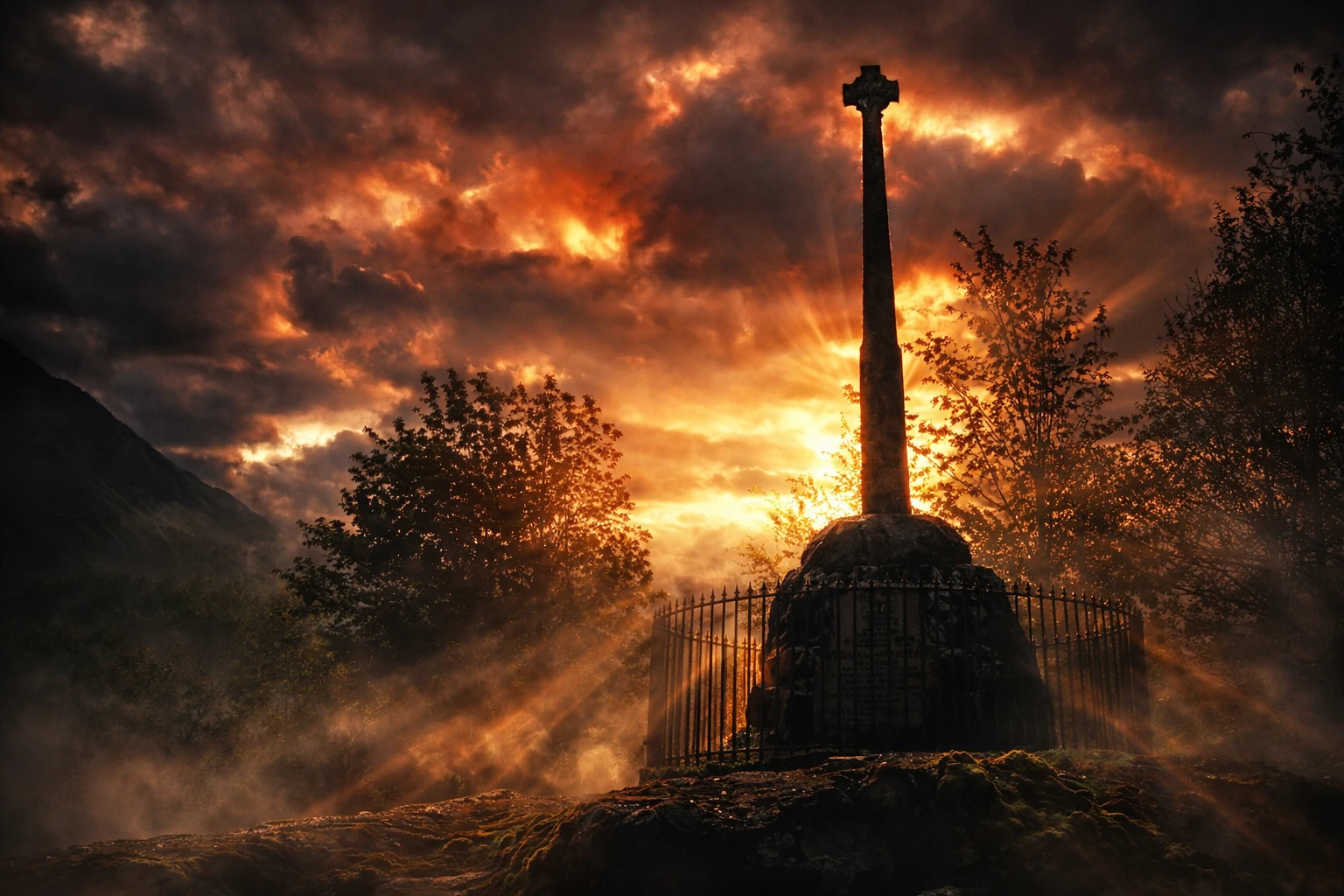
Today, when you visit Glencoe, you'll find one of Scotland's most breathtakingly beautiful valleys — dramatic peaks, sweeping vistas, a place that feels almost spiritual in its natural grandeur. But there's something else there too, something you can feel even if you don't know the history.
The story endures not because it was the deadliest event in Scottish history (it wasn't), but because it violated something fundamental about how humans should treat each other. When you invite someone into your home, you're extending more than shelter — you're offering trust.
The Glencoe Massacre reminds us that breaking that trust isn't just wrong. It's something that echoes through centuries, shaping how we remember places, people, and the thin line between civilization and cruelty.