Scotland is built for road trips. The country is small enough to cross in a few hours but varied enough that every hour of driving delivers a different landscape — lochs, glens, coastline, moor and mountain, often within the same afternoon.
This guide covers the best scenic routes in Scotland, sample itineraries by trip length, and the practical details — fuel, single-track roads, wildlife — that make the difference between a smooth trip and a stressful one.
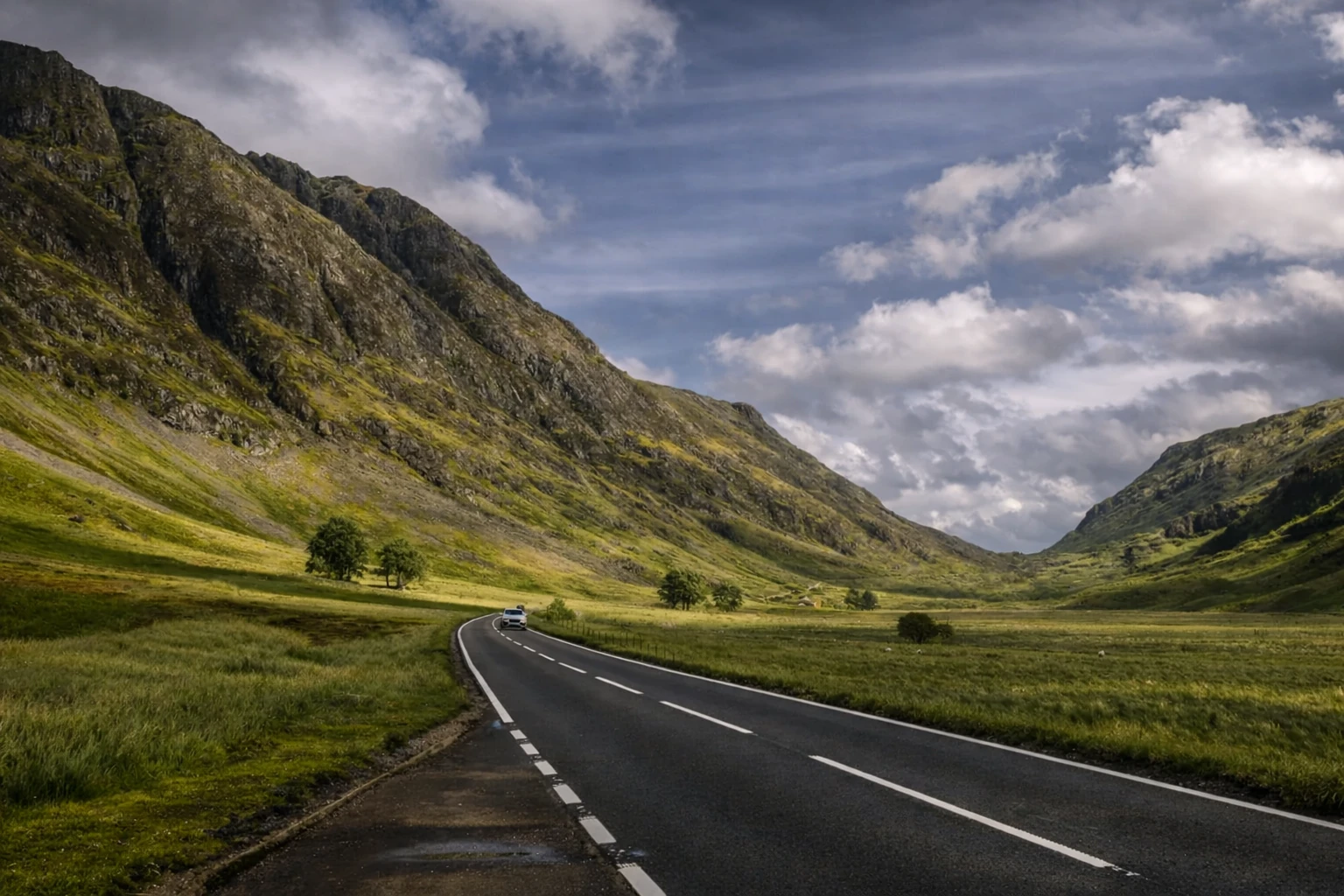
Other Experiences You Might Enjoy
Building a longer trip around Loch Ness? Add a day in Glencoe, a detour to Eilean Donan Castle on the way to the Isle of Skye, or a stop at the Glenfinnan Viaduct and a ride on the Jacobite steam train. Day-trippers based in Edinburgh or Glasgow can fold in Loch Lomond along the way. The suggestions below are matched automatically to these Scottish Highlands destinations and experiences.
Why Scotland Works So Well as a Road Trip
Unlike countries where the scenery is concentrated in one region, Scotland spreads its highlights out along a small number of well-connected roads. The A82 alone carries you past Loch Lomond, across Rannoch Moor, and through Glencoe. The road to Skye takes in Eilean Donan Castle and the Cuillin. The NC500 loops the entire north coast. This means a well-planned route can string together several "must-see" locations without much detour. The driving genuinely is the itinerary, not just the gaps between stops.
The Best Scenic Routes in Scotland
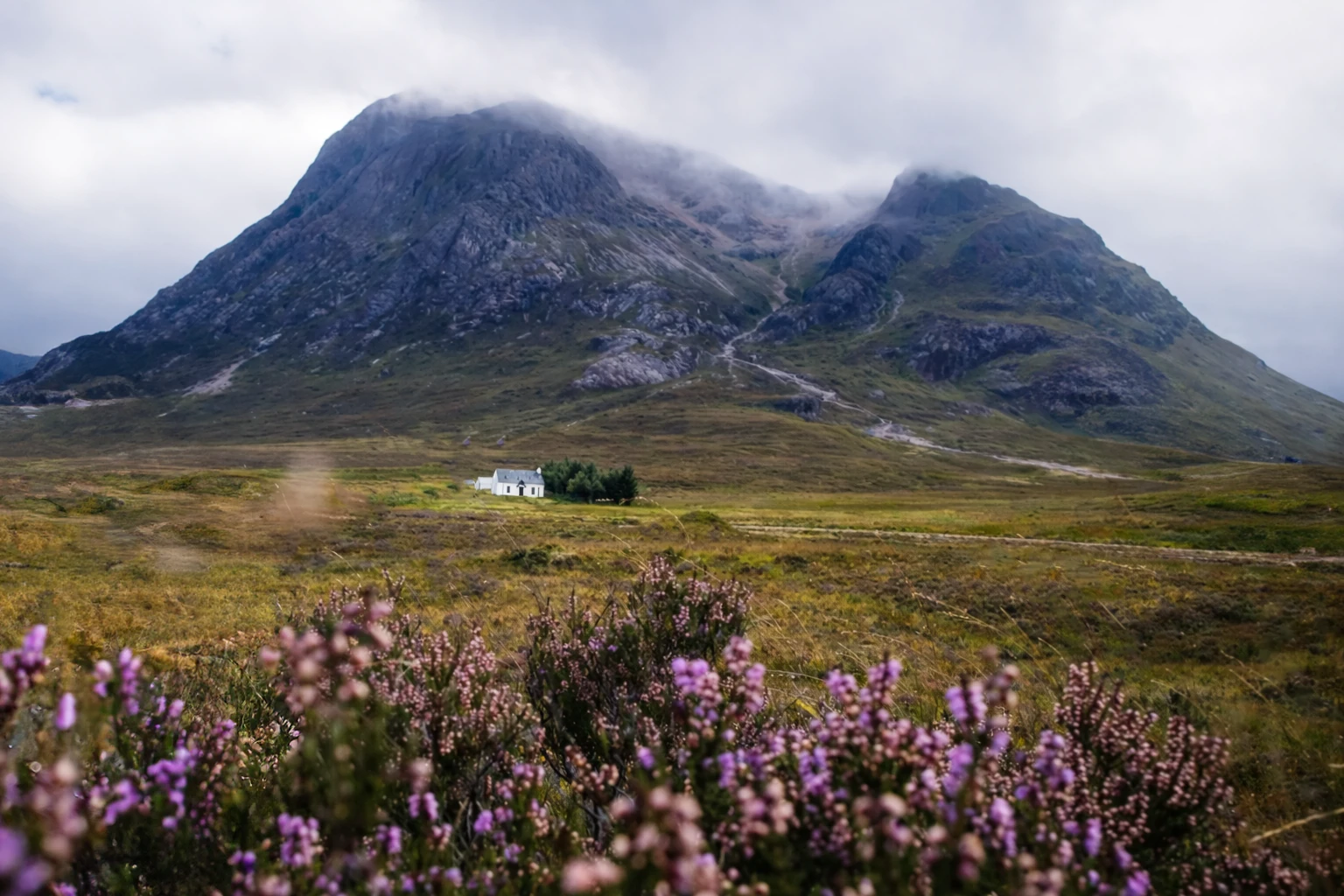
The A82 (Glasgow to Fort William). The classic Highland route — Loch Lomond, Rannoch Moor and Glencoe in sequence. This is the backbone of most day tours from Edinburgh and Glasgow and the natural starting point for any first-time Highland road trip.
The road to Skye (via Glencoe and Eilean Donan). An extension of the A82 route, continuing west through Glen Shiel to Eilean Donan Castle before crossing the Skye Bridge. One of the most popular multi-day routes in the country — see our Isle of Skye day tours guide for what's at the other end of it.
The North Coast 500 (NC500). A roughly 500-mile loop around the far north of Scotland starting and ending in Inverness, taking in dramatic coastline, remote beaches, and some of the country's most rugged scenery. Typically driven over 5–7 days, though shorter and longer versions exist.
The road to Applecross (Bealach na Bà). Gaelic for the "Pass of the Cattle," this is one of the steepest and most dramatic road climbs in the UK, part of the wider NC500 route. It climbs to over 2,000 feet with hairpin bends that rival anything in the Alps, and panoramic views from the summit toward Skye and Rum on a clear day. Single-track, weather- dependent, and not a road for nervous drivers or large motorhomes, but a genuine rite of passage for Highland road-trippers.
Glen Etive. A quieter single-track detour off the main Glencoe road, running through forest and past lochs to the shore of Loch Etive — short enough to add to a Glencoe day but atmospheric enough to feel like its own destination. It's also the Skyfall filming location; read more in our complete Glencoe guide.
The road from Edinburgh to Inverness (via the Cairngorms or via Perth). Less dramatic mile-for-mile than the west coast routes, but a practical and scenic way to connect the two cities, passing through Highland Perthshire and, depending on the route, the Cairngorms National Park.
Sample Itineraries by Trip Length
1 Day: Edinburgh to Glencoe and Back
Depart Edinburgh, drive the A82 via Loch Lomond and Rannoch Moor to Glencoe, spend a few hours exploring the glen and its viewpoints, then return via the same or a slightly varied route. This is the most popular single-day Highland loop and the template most guided tours follow.
3 Days: Edinburgh – Glencoe – Skye – Inverness
Day 1: Edinburgh to Glencoe via Loch Lomond, with an overnight in or near Fort
William.
Day 2: Glencoe to Skye via Eilean Donan Castle, exploring the Trotternish Ridge
(Old Man of Storr, Kilt Rock, Quiraing) with an overnight on Skye or back on the mainland.
Day 3: Skye to Inverness via Loch Ness, with time for Urquhart Castle and a loch cruise before ending in Inverness or
returning to Edinburgh.
5 Days: The Highland Loop
Day 1: Edinburgh to Glencoe.
Day 2: Glencoe to Skye, exploring the island for the day.
Day 3: A second day on Skye, reaching further-flung spots like the Fairy Pools or
Neist Point.
Day 4: Skye to Inverness via Loch Ness.
Day 5: Inverness back to Edinburgh, potentially via the Cairngorms.
7 Days: Edinburgh, the Highlands, and the NC500 (Shortened)
Days 1–2: Edinburgh to Glencoe to Skye.
Day 3: Skye to Inverness via Loch Ness.
Days 4–5: A shortened NC500 loop from Inverness, covering the north coast
highlights without the full week the complete route typically takes.
Day 6: Return to Inverness or Aviemore, exploring the Cairngorms.
Day 7: Return to Edinburgh.
Guided multi-day tours currently top out at around 5 days — beyond that, most visitors self-drive the extra legs themselves. The closest guided match to this itinerary covers Skye, Loch Ness and Inverness with the West Highland Line steam train built in, and works well as the backbone of the trip: add two self-driven days around the NC500 or the Cairngorms on either end to complete the full 7-day loop.
Practical Tips for Driving in Scotland
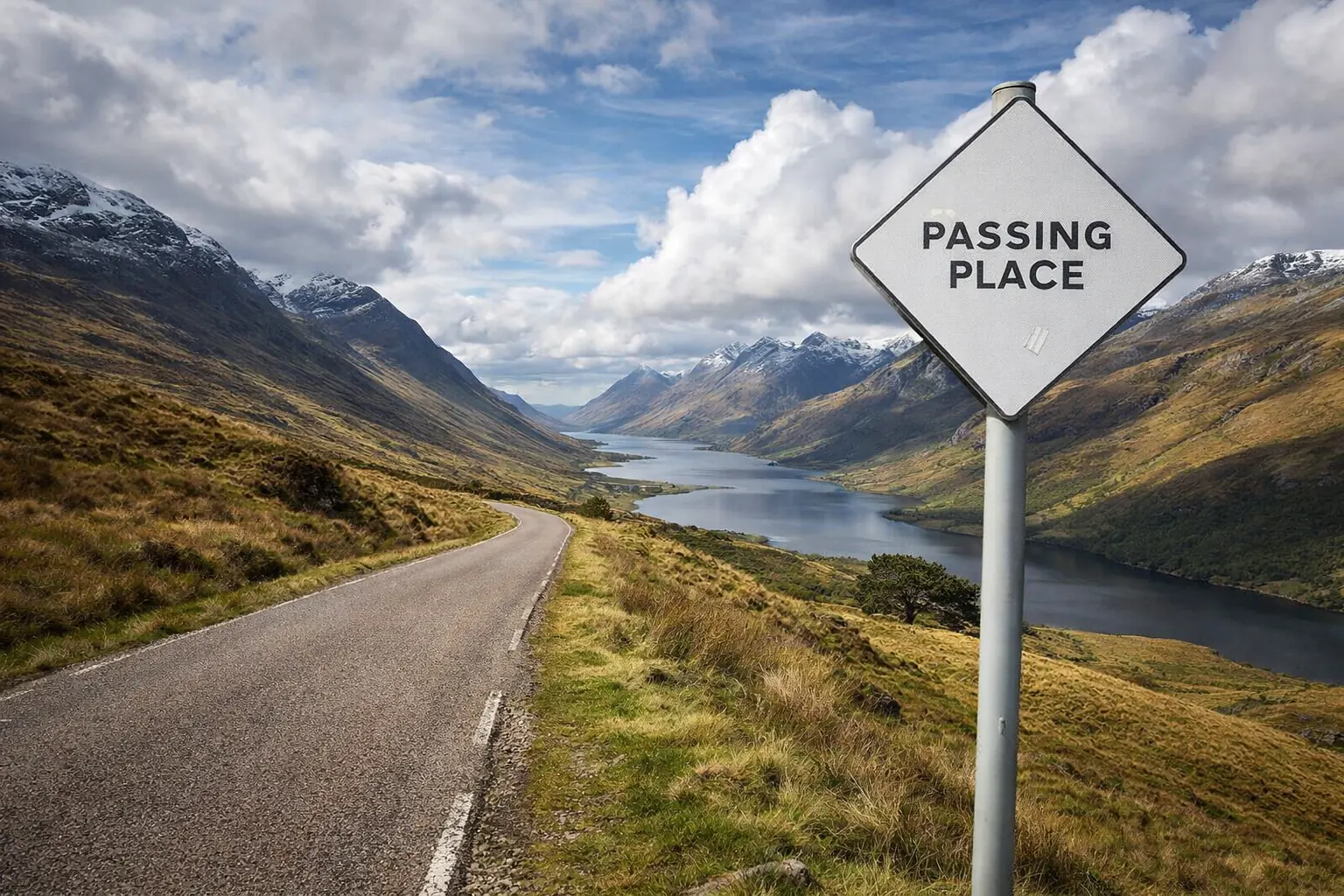
Get comfortable with single-track roads. Many Highland and island roads — including large sections of the NC500 and most of Skye, are single-track with passing places. If the passing place is on your left, pull in and stop; if it's on your right, stop on your own side and let the other car use it. Uphill traffic has priority, never park in a passing place, and a courtesy wave when someone yields is the standard Highland road manners.
Fuel up when you can, not when you need to. Fuel stations are sparse in remote areas, particularly on the NC500 and in parts of Skye and Glencoe. A useful rule of thumb: fill up every time you pass through Inverness, Fort William or Oban, regardless of your current tank level — beyond these hubs you might drive 50+ miles without seeing a station.
Book accommodation ahead in summer. Popular routes like the NC500 and Skye see accommodation sell out weeks or months ahead during peak season (June–August). See our best time to visit guide for how the seasons compare.
Budget more time than Google Maps suggests. Single-track roads, livestock on the road, and frequent photo stops mean actual driving times often run longer than a standard route calculation. Sheep, deer and Highland cattle treat these roads as their own territory — drive slowly at dawn and dusk, and never rush an animal off the road.
Consider a guided tour for your first Highland experience. If you're not used to driving on the left, narrow roads, or manual transmission (the UK default for rental cars), a guided day tour removes that stress entirely while still delivering the same scenic payoff — worth considering even if you plan to self-drive later in your trip.
Choosing Self-Drive vs. Guided Tours
A self-driven road trip gives you full control over pacing and detours, which suits travellers who want to linger, take unplanned side roads, or build a highly personalised route. A guided tour trades that flexibility for a stress-free day (or days) where someone else handles the navigation, parking and single-track etiquette — often the better choice for a first Highland trip, a single day trip from Edinburgh or Glasgow, or anyone not confident driving unfamiliar roads on the opposite side.
Many travellers do both: a guided day tour early in their trip to get oriented and see the highlights stress-free, followed by a self-driven leg once they're more comfortable with the roads. Our Glencoe & the Highlands from Edinburgh guide covers exactly that first guided day in detail.
Frequently Asked Questions
Not Ready to Self-Drive the Highlands?
Our guided day tours from Edinburgh cover Glencoe, Loch Ness and Skye — all the scenery, none of the single-track nerves.